Things to Do in Napa Valley: The Ultimate Guide
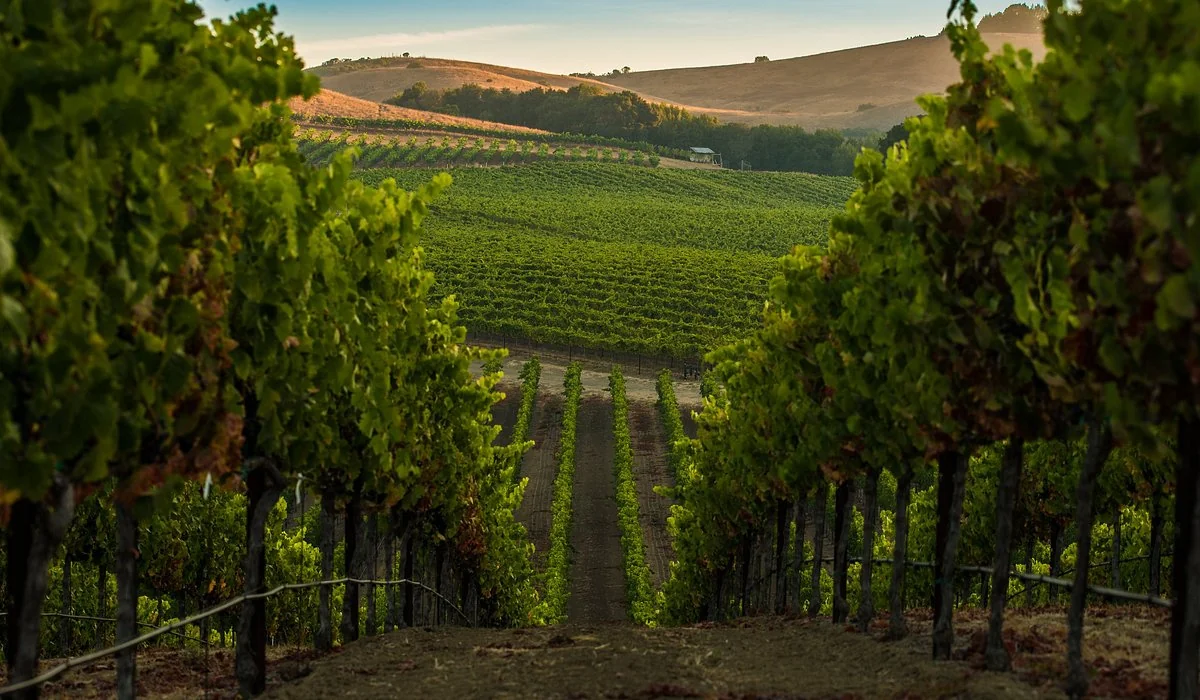
Napa Valley is best known for wine tasting, but the valley holds a lot more than that: hot air balloons at sunrise, hiking trails above the vineyards, a food scene that rivals San Francisco, and towns small enough to walk in an afternoon. The best trips mix a few private, unhurried wine tastings with time outdoors and a good meal, rather than trying to hit every winery on the map.
We wrote this guide from our own table on Orchard Avenue in the Oak Knoll District, where we’ve watched a lot of first-time visitors turn into regulars over the years. Here’s what we’d actually tell a friend planning a trip, including why we think a stop at O’Brien Estate belongs on it.
How Should You Plan a Day in Napa Valley?
Plan two wineries a day at most, and build in real time between them. Napa Valley runs about 30 miles from Napa to Calistoga, and the drive alone eats up more time than people expect once you add parking, walking to a tasting room, and the tasting itself.
A few things that make the day work better:
- Book ahead. Most of the wineries worth visiting are reservation-only, especially the smaller, private ones like ours. Walk-in tastings tend to mean tasting-bar crowds.
- Eat before you taste. A real breakfast or lunch matters more here than almost anywhere else you’ll drink.
- Leave room to wander. The best afternoons usually include something unplanned: a farm stand, a detour down a side road, a longer conversation with a host than you expected to have.
- Pick a home base. Downtown Napa, Yountville, and St. Helena each work well depending on whether you want nightlife, fine dining, or quiet. All three are a short drive from our estate in Oak Knoll.
What Wineries Are Worth Visiting in Napa Valley?
It depends entirely on what kind of afternoon you want. Napa has more than 600 wineries, and they don’t all offer the same experience.
Some wineries pour at a shared tasting bar, standing room only, efficient but rarely personal. Others run guided group tours where you move at the crowd’s pace. A handful of the most famous names seat you in a formal room for a 60 to 90 minute presentation that can feel more like a lecture than a visit. And a smaller number host one party at a time at a private table, usually with a view of the vines, with no script and no clock.
That last format is us. If you’re visiting with a partner or a small group and want the afternoon to actually feel like a break rather than another stop on a list, it’s worth seeking out. We put together a longer guide to choosing a Napa winery experience that walks through all four formats in more detail, including how to spot which one you’re booking before you arrive.
At O’Brien Estate, a visit means a private table overlooking our 33 acres in the Oak Knoll District, a host who stays with you the whole time, and wines named for a love story our winemaker has been writing in poetry for almost 40 years. We’ve earned a dozen 94 to 98 point reviews from Robert Parker Jr., and U.S. News & World Report named us the #1 winery and travel destination in Napa Valley. Reservations run two to three weeks out during peak season (May through October), so it’s worth booking us before you finalize the rest of the trip.
Planning a visit? Reserve a tasting at O'Brien Estate →
What Can You Do in Napa Valley Besides Wine Tasting?
Plenty. Some of the best days in Napa don’t involve a single tasting room:
- Hot air balloon ride. Napa is one of the few places in the country where sunrise balloon flights over vineyards are a regular thing. Book early, since morning flights fill up fast in the summer.
- Oxbow Public Market. A covered market in downtown Napa with local produce, oysters, and enough food stalls to make a meal out of grazing.
- Napa Valley Wine Train. A vintage train that runs the length of the valley with meals served on board. Good option if you want scenery without driving.
- Skyline Wilderness Park. Miles of hiking and mountain biking trails above the valley floor, with views back down over the vines.
- Calistoga’s hot springs. Mud baths and mineral pools at the north end of the valley, a good way to spend an afternoon after a few days of tastings.
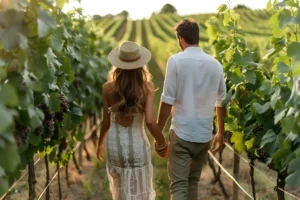
- Walk a working vineyard. Not every winery lets you do this casually, but at O’Brien Estate the vineyard walk is part of every visit. You’ll see the vines up close, hear how the estate is farmed sustainably, and probably meet one of the sheep we use for weed control.
Where Should You Eat in Napa Valley?
Napa’s food scene is dense for its size. Downtown Napa has the widest range, from casual counters to destination restaurants. Yountville is home to some of the most well-known fine dining in the country and is worth a stop even just to walk the town. St. Helena and Calistoga both have strong, less crowded options if you’d rather not fight for a reservation.
A rule of thumb that holds up: the smaller the town, the earlier you should book dinner. Weekend tables in Yountville and St. Helena often go weeks in advance during peak season. If you’re staying in that area, an afternoon tasting with us at O’Brien Estate pairs naturally with a Yountville dinner reservation later that evening, since we’re a short drive from town.
What Should Couples Do in Napa Valley?
Most couples end up building their day around one or two quieter, more private experiences rather than a full itinerary of stops. A private tasting at a table with a view does more for a trip than three rushed ones at busy tasting bars.
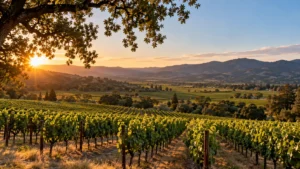
We see this constantly, and it’s really the reason O’Brien Estate exists. Couples celebrating an anniversary, or planning a proposal, tend to want the same thing: privacy, a slower pace, and a setting that feels like it’s just for them. We built our anniversary tastings and proposal experiences around exactly that, down to timing the light so it hits the vines right around sunset. Our own wines are even named for the arc of a relationship, Fascination, Romance, Seduction, Passion, drawn from poetry our winemaker wrote for his wife. If a romantic afternoon is the goal, it’s worth making us one of your stops.
What’s the Best Time of Year to Visit Napa Valley?
Every season in Napa looks and feels different.
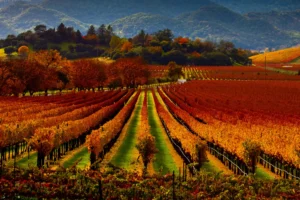
- Spring (March–May): Mustard flowers bloom bright yellow between the vine rows. Mild weather, fewer crowds than summer.
- Summer (June–August): Peak tourist season. Warm, dry days, longer lines, and the widest range of outdoor events.
- Harvest, or “crush” (August–October): Our favorite stretch, and the busiest one at our own estate. The vines are heavy with fruit, the winery is working at full speed, and there’s an energy to the valley you don’t get the rest of the year. This is also when our tastings book out furthest in advance.
- Winter (November–February): The quiet season. Fewer visitors, better rates at hotels, and a good time to actually get a same-week reservation with us or other smaller wineries.
How Many Days Do You Need in Napa Valley?
Two full days is the minimum to see the valley without rushing. Three or four gives you room to slow down, add a hiking day or a spa afternoon, and not treat every stop like a box to check. If you’re coming from San Francisco for just a day trip, it’s doable, but plan on one or two wineries at most once you factor in the drive. Either way, we’d suggest making one of those stops a private one.
Frequently Asked Questions
What is Napa Valley best known for?
Napa Valley is best known for its wine, particularly Cabernet Sauvignon and Chardonnay, along with its fine dining, hot air balloon rides, and the rolling vineyard scenery that runs from the town of Napa north to Calistoga.
How many wineries are in Napa Valley?
There are more than 600 wineries in Napa Valley, ranging from large commercial tasting rooms to small, family-owned estates like O’Brien Estate that only host guests by appointment.
Is one day enough to see Napa Valley?
One day is enough for a taste of Napa Valley, typically one or two wineries plus a meal, but it isn’t enough to see the whole valley. Two to four days lets you slow down and add non-wine activities like hiking or ballooning.
Do you need reservations for Napa wineries?
Most of the wineries worth visiting, especially smaller, private ones, require reservations, and popular spots, including O’Brien Estate, can book out two to three weeks ahead during peak season (May through October).
What’s the best month to visit Napa Valley?
September and October, during harvest, are widely considered the best months, since the vines are full and the valley is at its most active, though spring offers mild weather and fewer crowds.
Is Napa Valley good for a romantic trip?
Yes. Many couples plan trips to Napa Valley specifically for anniversaries, proposals, or romantic getaways. O’Brien Estate was built around exactly that kind of visit, with private tastings, no tasting-bar crowds, and wines named for a real love story.
Ready to make one of your stops a private one? Reserve a tasting at O’Brien Estate in the Oak Knoll District, or read more about what makes a Napa winery visit worth the trip.